Blog
Advanced thermal management systems for safer EV batteries
Electric vehicles (EVs) are reshaping the automotive industry, driven by stricter CO2 emission regulations and growing consumer demand for greener opt...
By Dr. Tamim Peter Sidiki
Segment Innovation Manager Mobility, Envalior
Design engineers often face challenges of selecting materials for thermal management systems (TMS) in electric vehicles (EVs), where continuous operation in extreme conditions can lead to faster material degradation. Xytron™ G4080HR is recommended as a superior solution, offering better resistance to chemicals and aging.
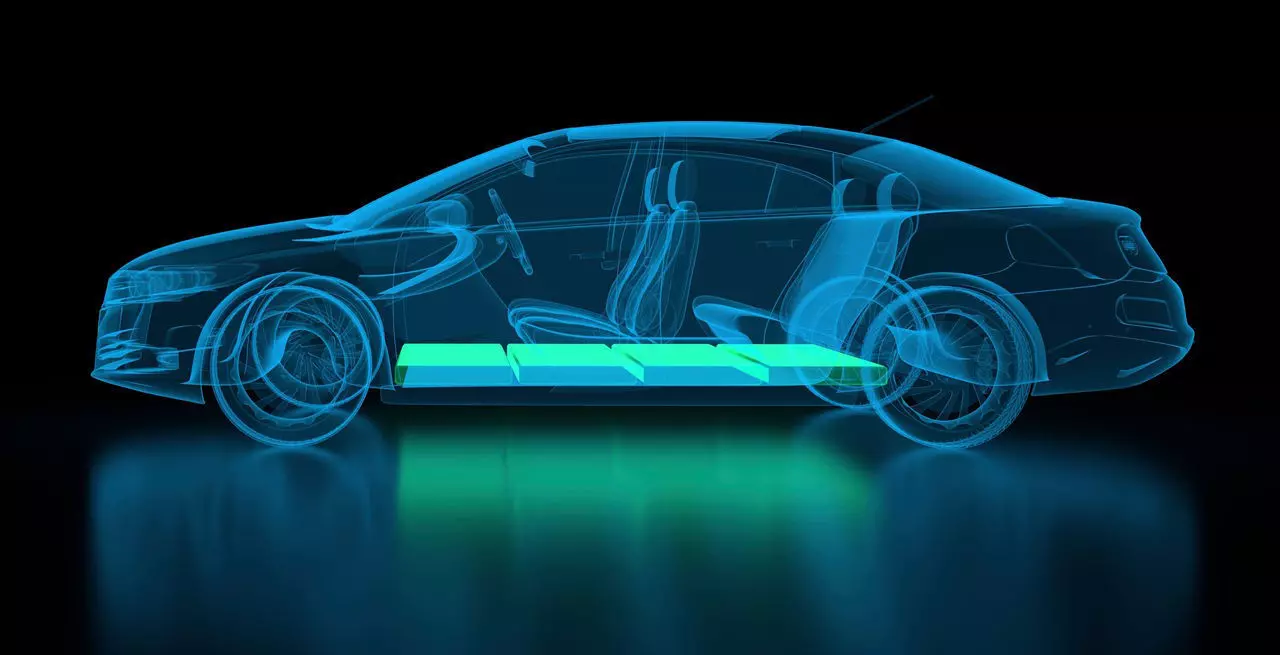
As electric vehicles (EVs) continue to evolve, the need for innovative thermal management systems (TMS) is more important than ever. A reliable TMS helps maintain the optimal temperature for critical components, ensuring better energy efficiency and longer component life.
In cold climates, EV TMS must work harder to keep batteries warm, even when the vehicle is not moving. This means longer exposure times to coolants, leading to faster material degradation. While TMS components in ICE vehicles typically withstand 1,000 to 3,000 hours of coolant exposure, EV TMS components may face up to 10,000 hours of exposure.
The increased exposure time causes many traditional materials, like Polyamide 66 (PA66), long chain Polyamides (LCPA), and Polyphthalamide (PPA), to lose their properties over time. These materials were effective in ICE vehicles, but they struggle to perform in the extended operational times of EVs.
Polyphenylene sulphide (PPS) offers better material retention after long coolant aging. With a molecular structure based on thioether bonds and benzene rings, PPS is highly resistant to chemicals and hydrolysis. This makes it ideal for EV TMS applications, especially under extreme conditions.
Envalior’s Xytron™ family of PPS grades is optimized for hydrolysis resistance and long-term performance. The Xytron G4080HR offers unique technology to improve the bond between glass fibers and PPS resin, further enhancing hydrolysis resistance.
After 3,000 hours of exposure to water-glycol coolant at 135°C, Xytron G4080HR showed minimal delamination compared to other PPS grades, maintaining its strength and material properties. Additionally, Xytron's technology improves tensile strength and elongation at break, even at the weldline—the weakest part of a component.
With Xytron G4080HR’s superior long-term resistance and strength retention, engineers can design more reliable TMS components with confidence.

Electric vehicles (EVs) are reshaping the automotive industry, driven by stricter CO2 emission regulations and growing consumer demand for greener opt...
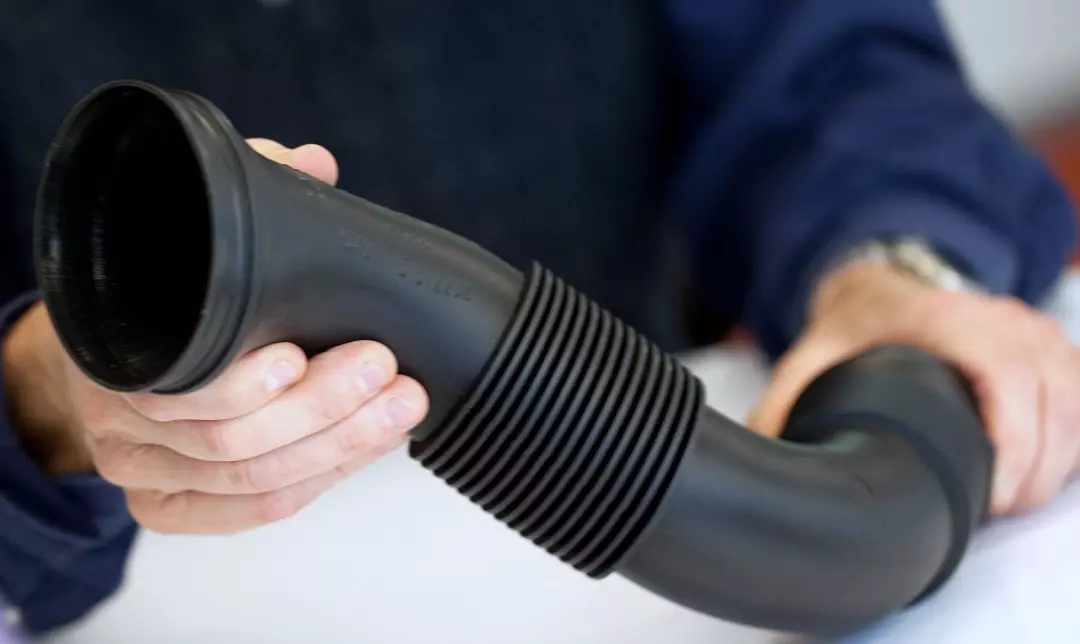
Hybrid vehicles reduce global carbon emissions by combining ICE and battery power for efficiency and performance. To enhance sustainability, manufactu...