

Insights
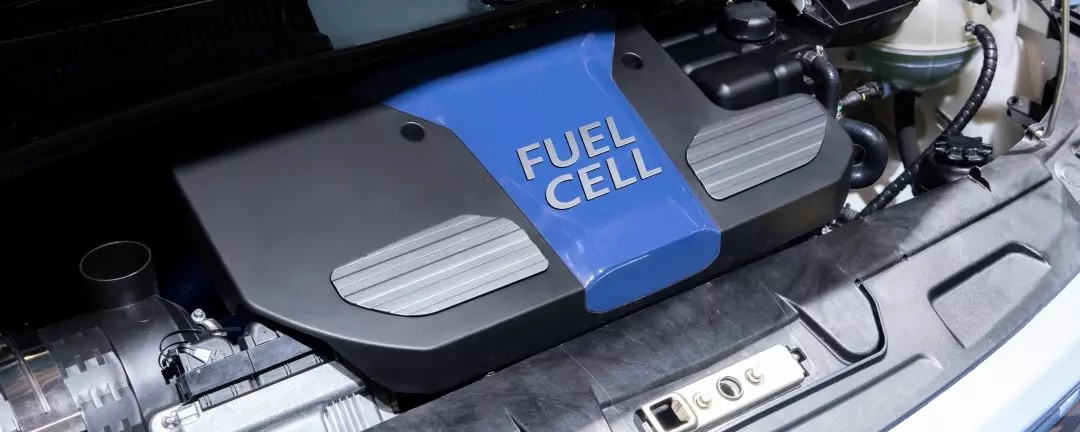
Advanced materials enhance fuel cell performance and reliability
The global automotive industry is undergoing a profound transformation, driven by the adoption of advanced technologies and a push for electrification. While lithium-ion batteries dominate the market, fuel cell technology is rapidly emerging as a viable alternative. Hydrogen fuel cells, particularly proton exchange membrane fuel cells (PEMFCs), are crucial for achieving zero-emission mobility. Fuel cells provide distinct advantages over battery-powered EVs. However, building reliable and efficient fuel cells requires addressing challenges such as minimizing ion leaching, ensuring hydrolytic resistance, and maintaining mechanical integrity under extreme conditions.
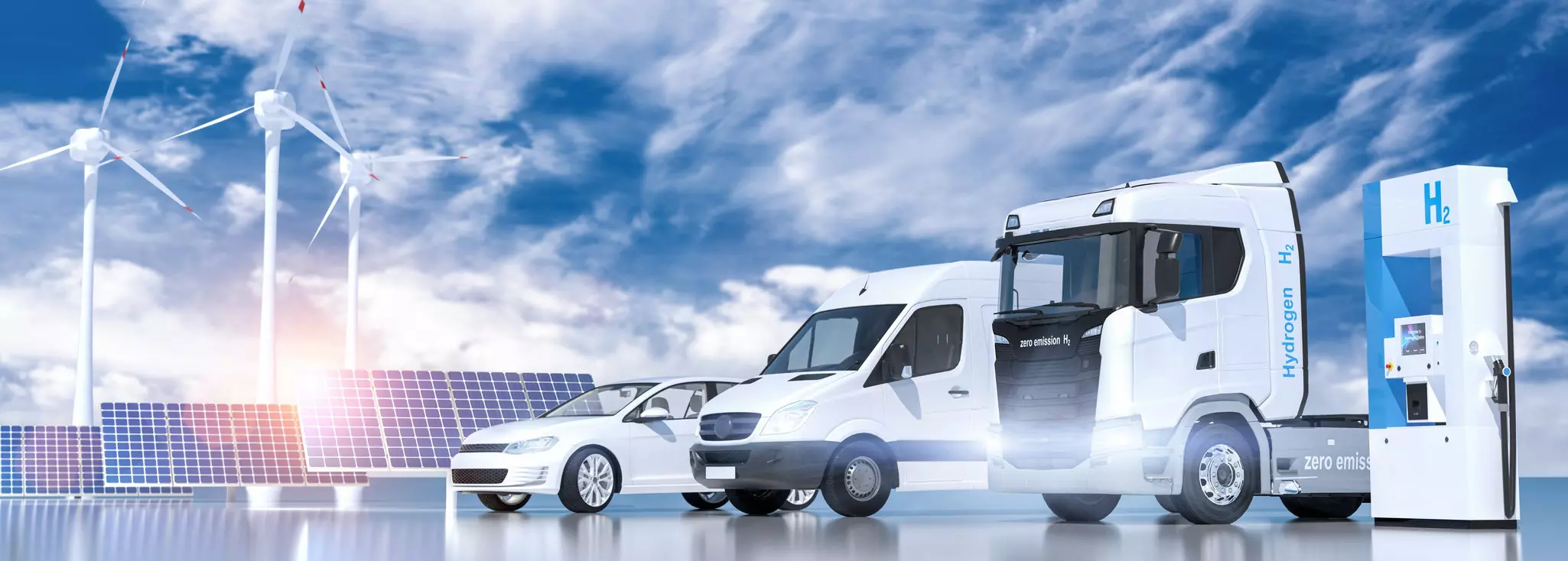
Hydrogen fuel cells: a game-changer for transport vehicles
Governments are pushing for lower fossil fuel emissions, accelerating the adoption of electric solutions. Hydrogen-powered proton exchange membrane fuel cells (PEMFCs) are gaining traction, with a 66.9% CAGR projected in the vehicle market from 2019 to 2026. Offering faster refueling, longer ranges, and reduced weight, fuel cells are ideal for buses, trucks, and commercial vehicles, requiring advanced materials for durability and reliability.
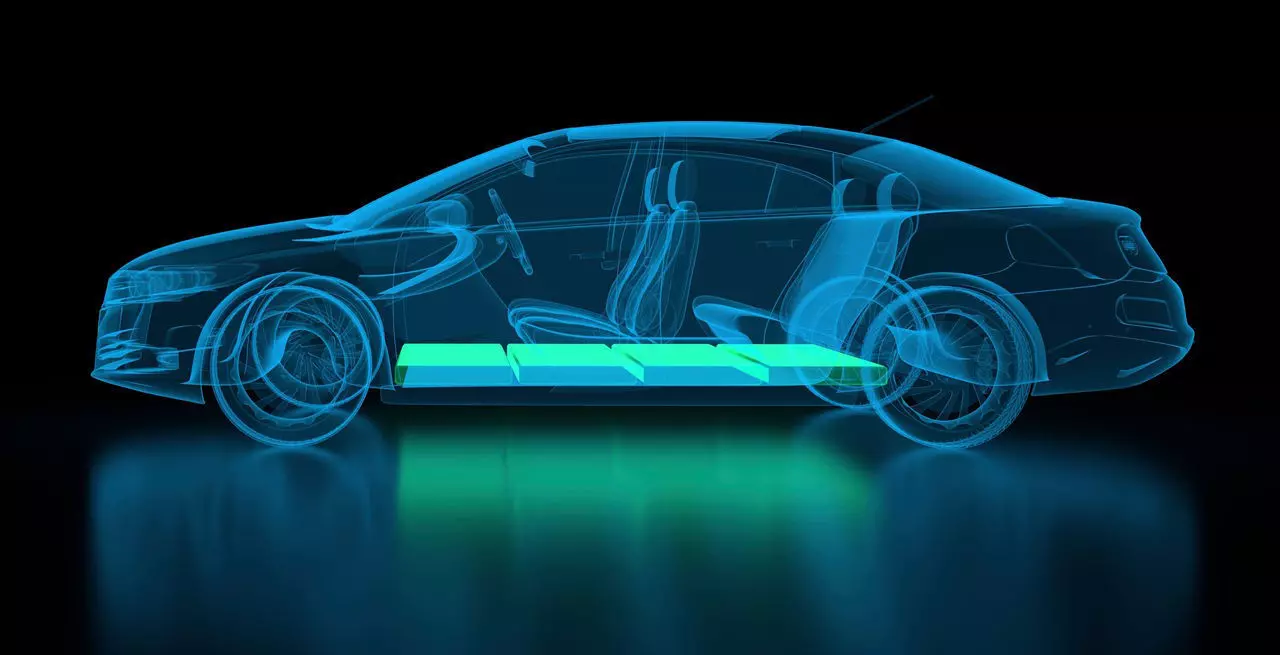
Meeting the needs of EV thermal management system components
Design engineers often face challenges of selecting materials for thermal management systems (TMS) in electric vehicles (EVs), where continuous operation in extreme conditions can lead to faster material degradation. Xytron™ G4080HR is recommended as a superior solution, offering better resistance to chemicals and aging.