

Press Release
By Dr.-Ing. Stefan Seidel
Head of R&D, Tepex®, Envalior
Thermoplastic composites often meet performance expectations, yet inconsistent test results slow real world adoption. At Envalior, standardized testing methods are closing that gap, giving engineers data they can trust, reducing validation risk, and helping design decisions move faster.
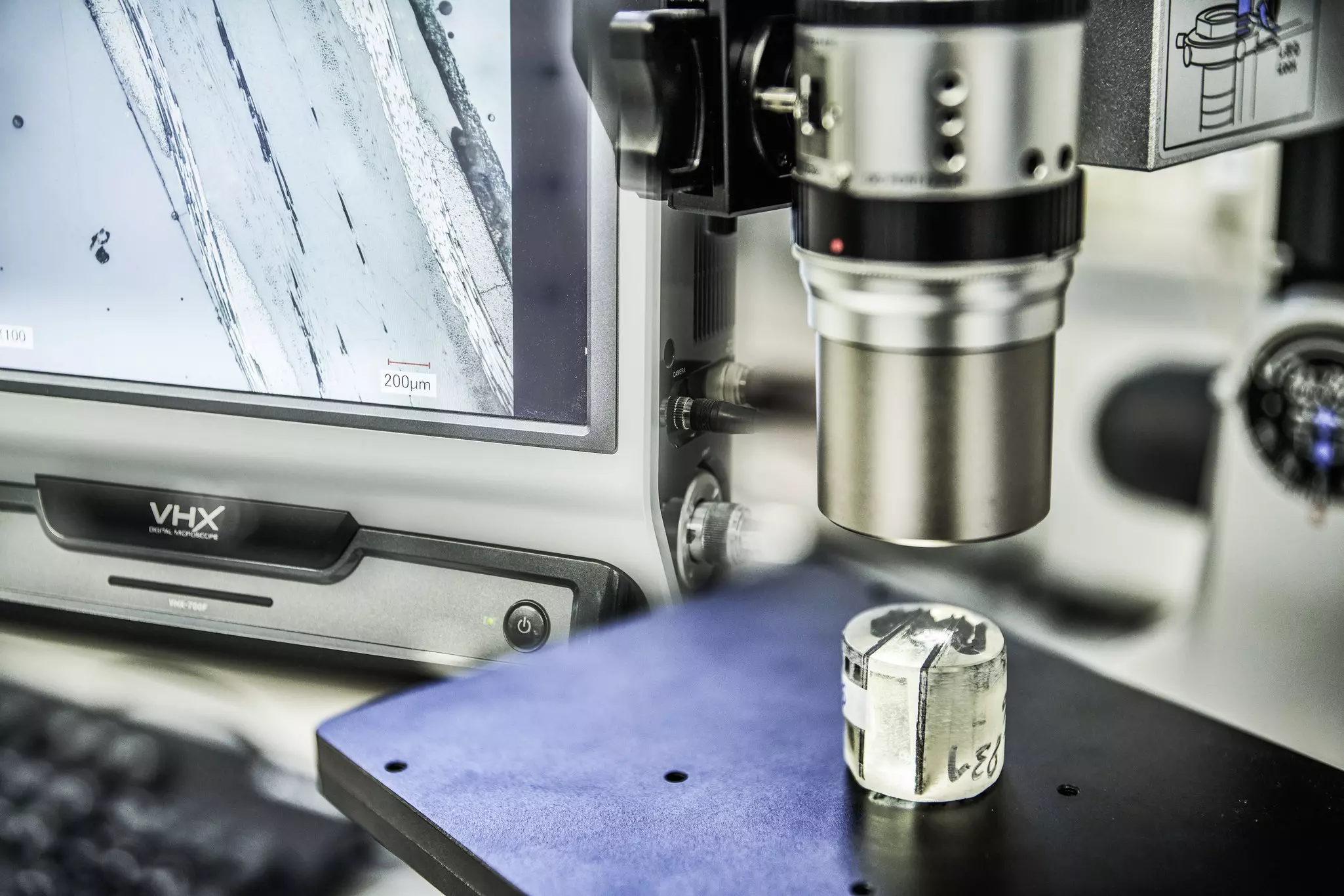
Most engineers don’t reject thermoplastic composites because of performance. On paper, the benefits are clear. But in practice, something breaks down. You run your own tests, compare supplier data, and suddenly the numbers don’t match. What seemed like a strong material choice turns into uncertainty. That uncertainty rarely shows up in reports, but it shapes decisions every day, slowing validation, adding extra testing, and quietly stalling product development.
That is the gap Envalior has been working on to close through the AVK’s (German Federation of Reinforced Plastics) “Continuous Fiber Reinforced Thermoplastic” Working Group. Bringing together material suppliers, OEMs, research institutes, and testing experts, the group focuses on one practical goal: ensuring that when engineers test a material, they can trust the results well enough to act on them.
Thermoplastic composites are a complex, anisotropic material class. But a much bigger challenge often is inconsistency of test results. Two teams test the same material and arrive at different conclusions. For engineers responsible for design validation, that creates a level of risk no simulation can resolve. So, the response becomes predictable: Safety factors increase. Internal testing expands. Material selection gets delayed. Not because the material underperforms, but because the data never feels solid enough to act on.
In product development, more data is rarely the answer. What matters is whether the data is reliable. Mechanical properties only become useful when they are reproducible across labs, suppliers, and simulation models. This is where standardization starts to shift the dynamic. By aligning testing methods with the real behavior of thermoplastic composites, variability is reduced and results become comparable. The difference is subtle but critical. Instead of questioning every input, engineers can start trusting the data behind their simulations. And once that trust is there, decisions move faster.
This shift becomes visible in development timelines. When data is consistent, simulation becomes something you rely on rather than verify again. That reduces repeated physical testing and shortens iteration cycles. It also changes how materials are selected. With standardized datasets available through platforms like the CAMPUS database, engineers can compare options directly. That change alone can remove weeks from a project without changing anything about the material itself.
More complex properties and newer material formats are pushing testing methods further. Standardization is quietly removing that barrier, turning a promising material into a dependable engineering option. The real question is no longer whether the material works. It is whether your process is ready to trust it.
Watch the full presentation from JEC World 2026 to see what’s changing and how it may impact your next design decision.

Dr.-Ing. Stefan Seidel studied mechanical engineering at the University of Paderborn and earned his PhD in polymer processing before joining Bond-Laminates in 2015 as a project manager for material development. He became Head of R&D for Tepex® in 2017 and since 2023 has led the multidisciplinary Tepex® Innovation & Quality department, overseeing R&D, industrial engineering, and quality assurance at the Brilon, Germany, production site.

Metal and PBT are ideal partners in overmolded metal conductors, such as those found in the powertrains of electric vehicles. However, for engineers f...