Glass transition temperature (Tg)
Estimates the glass transition temperature (Tg) of a part in equilibrium with a certain relative humidity at 23C (73F).
While we’ve strived to predict material-performance as accurate and reliable as possible, actual performance may differ. Don’t hesitate to contact us for verification of outcomes. Akulon®, Arnite®, Arnitel®, Durethan®, EcoPaXX®, ForTii®, Novamid®, Pocan®, Stanyl®, Tepex® and Xytron™ are trademarks of Envalior. All information supplied by or on behalf of Envalior in relation to its products, whether in the nature of data, recommendations or otherwise, is supported by research and, in good faith, believed reliable, but Envalior assumes no liability and makes no warranties of any kind, express or implied, including, but not limited to, those of title, merchantability, fitness for a particular purpose or non-infringement or any warranty arising from a course of dealing, usage, or trade practice whatsoever in respect of application, processing or use made of the aforementioned information, or product. The user assumes all responsibility for the use of all information provided and shall verify quality and other properties or any consequences from the use of all such information. Typical values are indicative only and are not to be construed as being binding specifications. Colorants in the product or other additives may cause significant variations in typical values.
Tool info
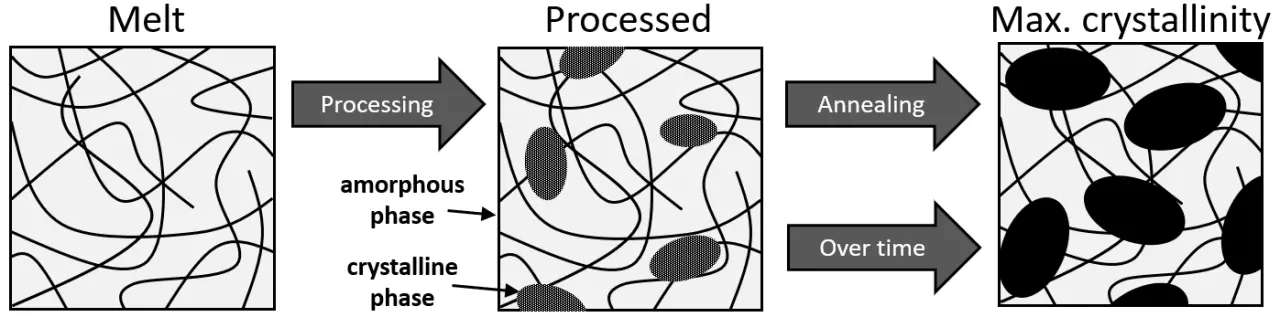
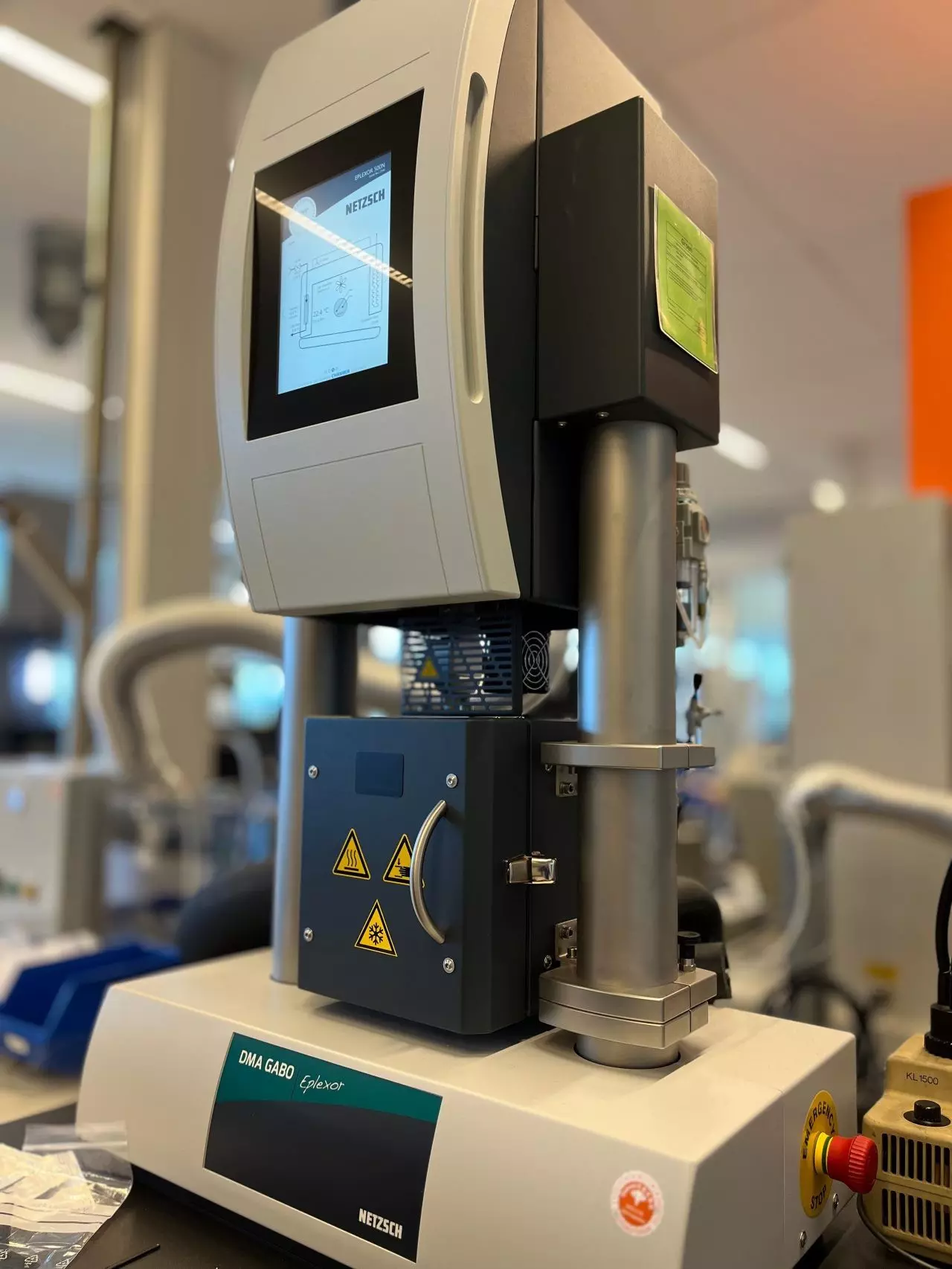
The glass transition temperature Tg defines the transition point between the glassy (rigid) state of a polymer and the viscous, rubbery state. Both states exhibit different material properties and are thus important for an application design. Use this tool to easily estimate the Tg of our semi-crystalline materials based on DMTA measurements as function of the relative humidity in equilibrium with a part