
Whitepaper
Material solutions for cost efficient robotics
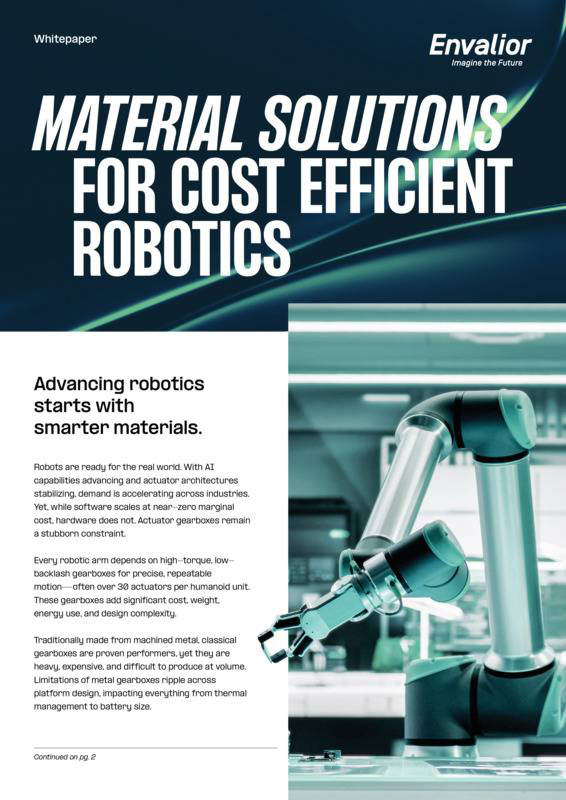
Robots are ready for the real world. With AI capabilities advancing and actuator architectures stabilizing, demand is accelerating across industries. ...
By Pim Janssen
Market Development Manager, Envalior
Conveyor belts are evolving—and traditional materials like TPU and PEBA may be holding your systems back. In industries where hygiene, durability, and precision are critical, forward-thinking engineers are turning to thermoplastic elastomers (TPCs), like Arnitel® TPC from Envalior. Offering superior load-bearing strength and creep performance over a wide temperature range, chemical resistance, dimensional stability, and design flexibility, including RF welding compatibility, Arnitel® TPC enables safer, longer-lasting, and more hygienic conveyor systems.
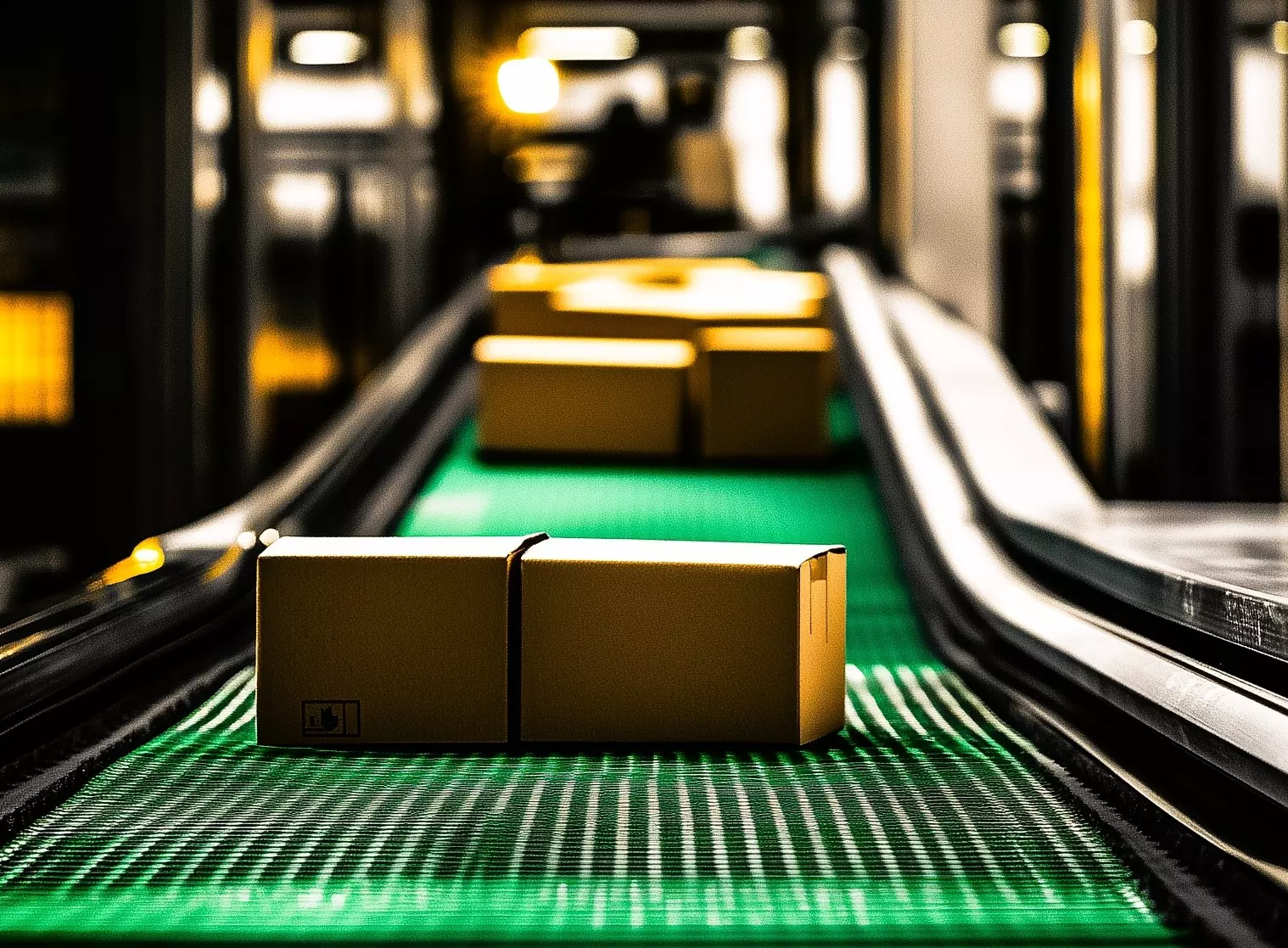
Most conveyor belt manufacturers still rely on traditional materials like TPU or PEBA, assuming they are “good enough” for today’s performance and safety standards. But in industries where hygiene, durability, and precision are non-negotiable, like food processing, pharmaceuticals, and electronics manufacturing, “good enough” is no longer acceptable.
Here is the truth: Conventional elastomers are quietly becoming a liability. They degrade under harsh cleaning agents, warp under thermal stress, and limit design innovation. The result? Increased contamination risks, more frequent belt replacements, and costly downtime.
The real question isn’t whether your belts work. It’s whether they are working hard enough for your business. In this blog, we will explore how Arnitel® TPC is helping manufacturers tackle today’s conveyor belt challenges head-on—offering smarter, longer-lasting solutions. TPC (also known as TPE-E) is a family of thermoplastic elastomers (TPEs) based on PolyEster chemistry, giving it superior heat, chemical, and fatigue resistance amongst other properties when compared to most other TPE families.
Forward-thinking engineers are shifting to thermoplastic elastomers (TPCs) as a preferred material for conveyor belt applications because they offer a balance of mechanical strength, hygiene, and design flexibility.
TPCs can be extruded, molded, or coated into a variety of belt types, and are known for their resistance to harsh environments and chemicals. For industries where hygiene and safety are non-negotiable, TPCs offer a much-needed upgrade from traditional materials like rubber or PVC.
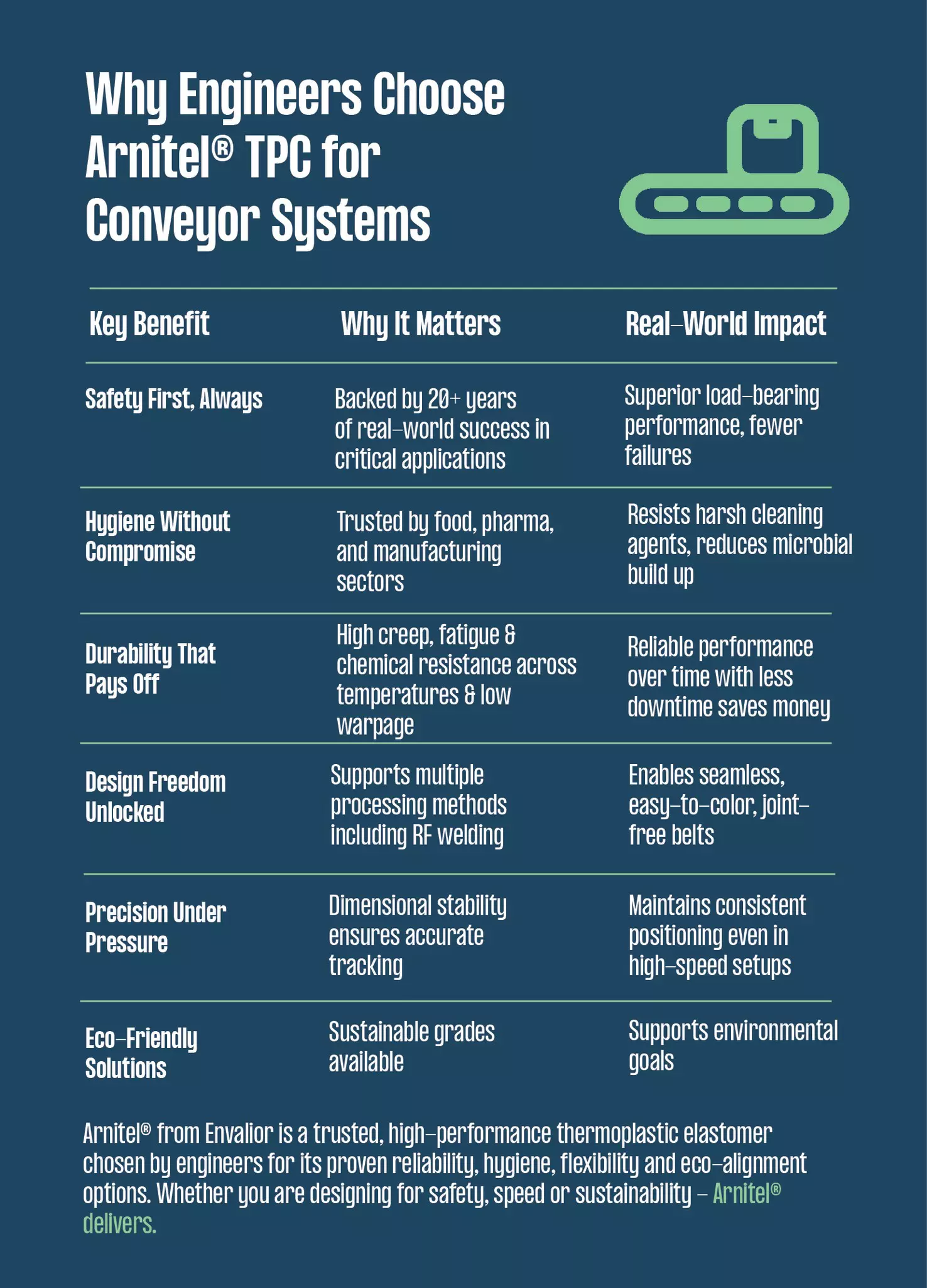
Conveyor belts must operate safely and efficiently under a wide variety of conditions. One of the key benefits of using Arnitel® TPC is its excellent load-bearing capabilities, particularly when compared to other elastomeric materials like TPU and PEBA. With low creep under continuous loading, Arnitel® TPC ensures that your conveyor belts retain their form and function over time, reducing the risk of mechanical failure or misalignment that could compromise workplace safety.
Additionally, Arnitel’s dimensional stability and resilience under thermal and mechanical stress will help maintain your belts structural integrity—critical factors for systems that need to perform consistently and safely in demanding environments.
In hygiene-critical sectors, such as food processing and pharmaceuticals, conveyor belts are routinely exposed to sterilization agents, caustic cleaning solutions, and repeated washdowns. Many conventional materials degrade quickly under such conditions, leading to contamination risks and frequent replacements.
Arnitel® TPC offers you excellent chemical resistance that stands up to aggressive cleaning agents, disinfectants, and sterilization chemicals without degrading or cracking. Its non-porous surface and compatibility with smooth finishes help minimize microbial adhesion and make cleaning faster and more effective. This contributes to superior hygiene standards and helps you meet stringent industry regulations.
Mechanical durability is another area where Arnitel® TPC excels. Thanks to its low warpage characteristics and enhanced high temperature creep performance and fatigue resistance, conveyor belts made from Arnitel® TPC maintain their shape and function over extended periods—even under harsh thermal cycling and dynamic loading.
The material’s inherent toughness and resistance to environmental stress cracking contribute to longer service life, reducing your total cost of ownership and downtime associated with frequent belt replacements.
As you are well aware, design flexibility is a growing need for manufacturers seeking to integrate advanced features into their conveyor systems. One particularly valuable property of Arnitel® TPC is its compatibility with radio frequency (RF) welding. This capability enables the production of seamless belts with integrated components, customized surfaces, or complex shapes that are difficult to achieve with traditional materials.
RF welding not only simplifies your manufacturing process, but also enhances belt performance by eliminating seams and joints that are often points of mechanical weakness or bacterial accumulation.
Precision is key in modern automated systems, especially in high-speed or synchronized conveyor setups. Arnitel® TPC provides superior dimensional stability, maintaining consistent thickness and geometry even after exposure to temperature changes or mechanical stress. This makes it ideal for applications where belt tracking accuracy and positional reliability are critical, such as in robotic pick-and-place systems or multi-step assembly lines.
Arnitel® TPC is not only robust in performance but also highly versatile in processing. It can be used in extrusion, co-extrusion, injection molding, welding, and coating processes, giving you design freedom. The material is also easy to color, supporting brand-specific or function-specific color coding.
This flexibility opens the door to innovative belt designs that improve functionality, aesthetics, and system integration.
As sustainability becomes a critical part of product development, Envalior supports eco-conscious manufacturing by offering eco-friendly Arnitel® TPC solutions. These options deliver the same performance benefits while helping you meet environmental and regulatory goals.
Ready to optimize your conveyor belt design?
With over 20 years of experience in conveyor belts and a broad portfolio of TPC grades, Envalior is helping manufacturers rethink what is possible. If you are still relying on legacy materials, it’s time to reconsider.

After obtaining his Ph.D. in supramolecular and organic chemistry, Pim Janssen began his career at Envalior as a chemist for the engineering plastics Akulon (PA6) and the biobased EcoPaXX (PA410). He also spent a few years in product development and program management for high temperature polyamides ForTii (PPA), Stanyl (PA46), EcoPaXX (PA410) and Xytron (PPS). In 2018, he joined the business management team as market development manager for water and food contact, industrial applications, and to develop a unreinforced PPA portfolio.
Robots are ready for the real world. With AI capabilities advancing and actuator architectures stabilizing, demand is accelerating across industries. ...
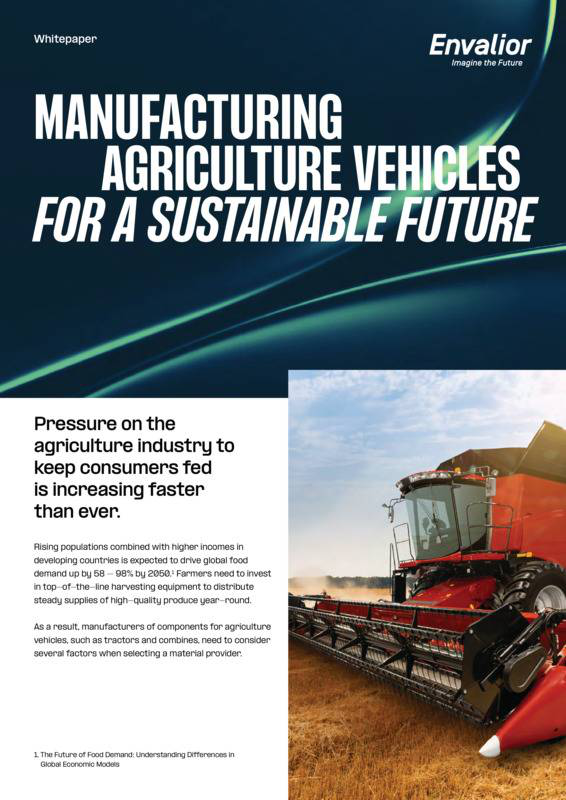
Pressure on the agriculture industry to keep consumers fed is increasing faster than ever. Rising populations combined with higher incomes in developi...
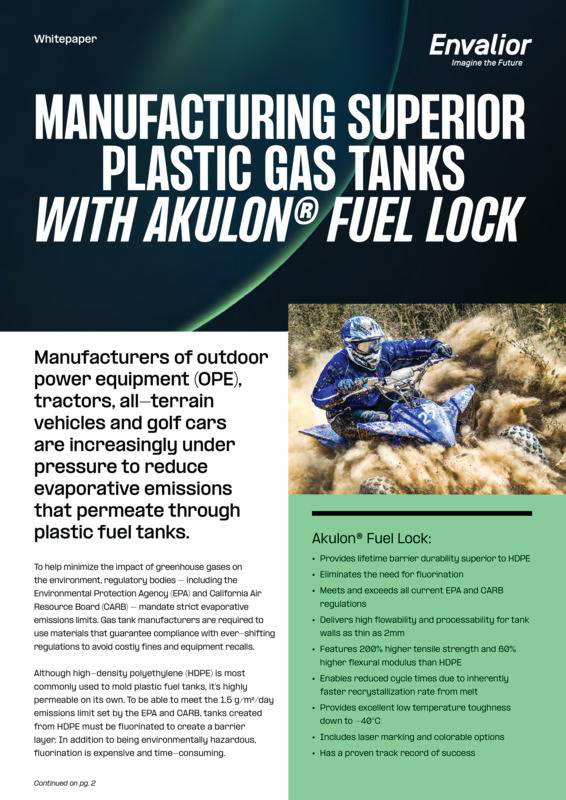
Manufacturers of outdoor power equipment (OPE), tractors, all-terrain vehicles and golf cars are increasingly under pressure to reduce evaporative emi...