
Whitepaper
Embracing sustainability in the sports shoes market
Although advanced recycling technology is on the horizon, biobased materials with the right performance can be utilized. Climate change, plastic waste...
By Andre Oosterlaken
Arnitel® Technical Expert, Envalior
In the construction, agriculture, and specialty vehicle industries, durable, low-maintenance tires are essential for reliable operation. Traditional pneumatic tires often fall short in these demanding environments, where rough terrain and heavy loads are the norm. As a result, manufacturers are turning to non-pneumatic tire (NPT) solutions made with high-performance thermoplastic Copolyester elastomers (TPCs) to improve strength, reduce maintenance, and extend product life.
Pneumatic tires aren’t ideal for the rugged demands of off-road vehicles and machinery. Their air-filled design makes them vulnerable to punctures, leading to costly downtime, frequent repairs, and reduced productivity. On wet, uneven, or sloped terrain, these tires may also lose traction, causing slippage that can damage work areas or delay projects.
While alternatives like solid rubber or foam-filled tires exist, they often bring their own trade-offs—such as increased weight, less efficient manufacturing, and poor damping or ride quality.
To meet evolving performance needs, many manufacturers are now exploring non-pneumatic tire technology. Unlike traditional designs, NPTs offer structural support without the need for pressurized air. For sectors like construction and agriculture—where heavy equipment operates in extreme weather and terrain—this shift offers clear advantages.
For these applications, tires must:
Envalior's advanced TPEs help make that possible.
Envalior’s Arnitel® is a high-performance thermoplastic elastomer engineered to meet these exact challenges. With its unique balance of flexibility, strength, and temperature resistance, Arnitel® enables the design of lighter, more durable non-pneumatic tires.
Our collaborative development approach led to an innovative tire concept that integrates an Arnitel® web structure between the metal wheel and the rubber tread. This design not only improves mechanical performance, but also makes the tire more sustainable and cost-effective over its lifecycle.
Arnitel’s block copolymer structure gives it excellent fatigue resistance, high impact strength, and superior load-bearing capacity. These properties help extend tire life—lasting up to three times longer than conventional pneumatic options.
The material also enables excellent adhesion with rubber components. This compatibility allows for better bonding between the Arnitel® web and the outer tread, reducing wear and boosting long-term durability.
Arnitel® is designed to perform across a wide range of temperatures—from -30°C to 100°C. it’s exhibiting consistent mechanical properties fluctuate, while ductility is maintained down to -40°C. This makes it a dependable option in both cold winters and hot, demanding work environments.
In addition, the material resists:
For manufacturers focused on sustainability, Arnitel® Eco offers a bio-based solution made with up to 75% renewable resources. It delivers the same high performance with a reduced carbon footprint—helping companies meet their environmental goals without sacrificing product strength or longevity.
Non-pneumatic tires built with Arnitel® represent a forward-thinking solution for industries where reliability and efficiency are non-negotiable. Whether you’re engineering equipment for construction sites or agricultural fields, Envalior’s materials can help you build smarter, more sustainable products.

Andre Oosterlaken is responsible for New Market Development for the Arnitel product line at Envalior. In his global role, he helps engineering leaders in diverse industries improve performance by leveraging the unique material properties of Arnitel thermoplastic elastomers. He joined Envalior in 1986, serving in research and development, application engineering, business development, and marketing roles. Oosterlaken earned his bachelor’s degree in analytical chemistry from the HU University of Applied Sciences, Utrecht, The Netherlands.
Although advanced recycling technology is on the horizon, biobased materials with the right performance can be utilized. Climate change, plastic waste...
As automotive and commercial vehicle OEMs continue to drive more performance from internal combustion engine (ICE) powertrains, reducing the weight of...
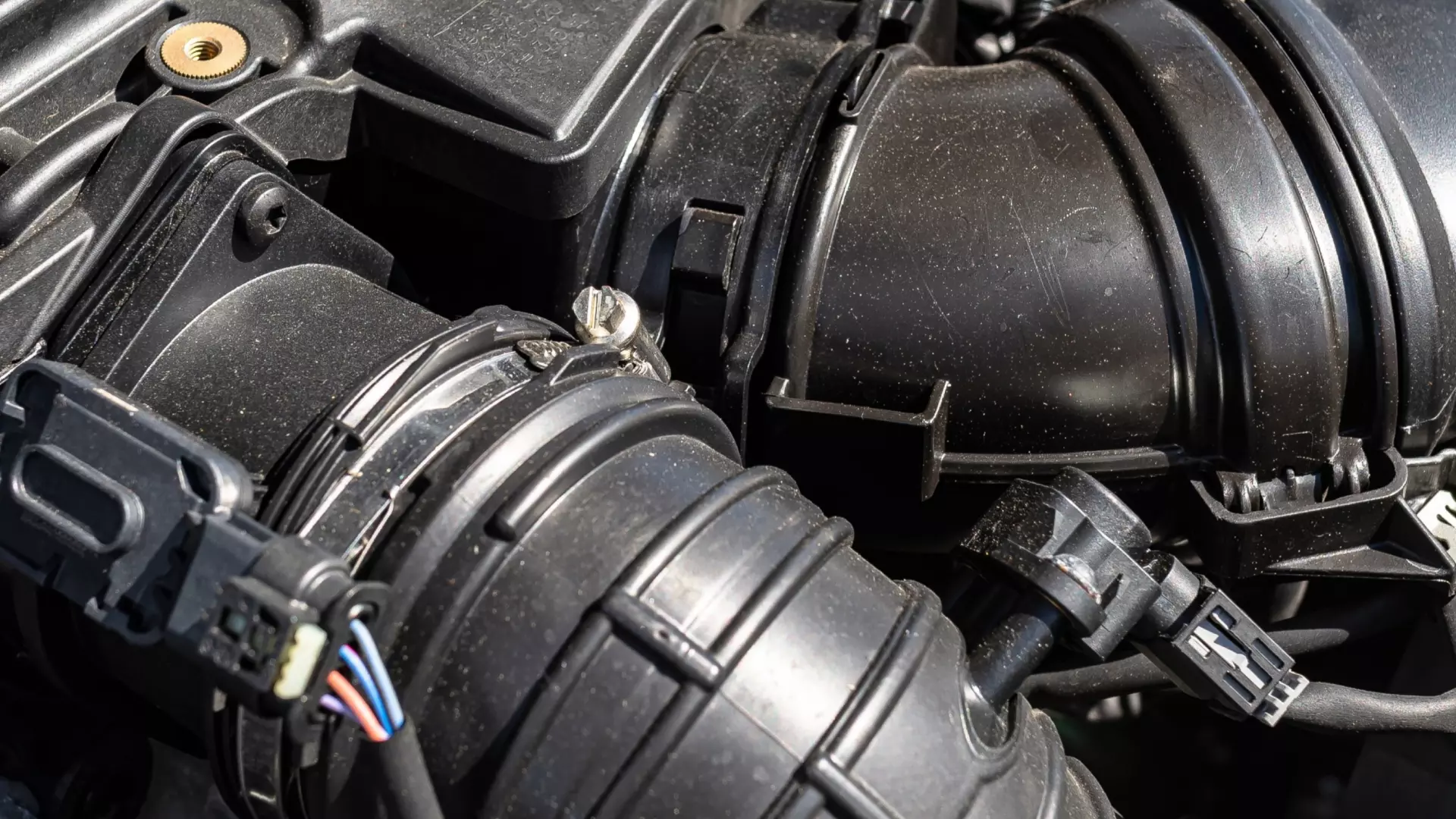
In today’s hybrid and internal combustion engine (ICE) vehicles, air management systems face tougher challenges than ever. With growing demand for imp...