

Tech Talk
The hidden key to scalable robotics
What if high-performance robots could be produced at half the cost and weight—without compromising on precision or durability? In this expert talk, di...
By Wendy Lu
Global Advanced Development Expert – Electronics, Envalior
Today’s camera modules are mechanical marvels, but under the hood, materials make or break their performance. Arnitel® Performance TPC is a high-performance elastomer that eliminates acoustic noise, suppresses particle generation and resists thermal and mechanical fatigue. It’s cleaner, stronger and more consistent than TPU. Plus, it’s engineered for precision manufacturing and long-term reliability at scale.
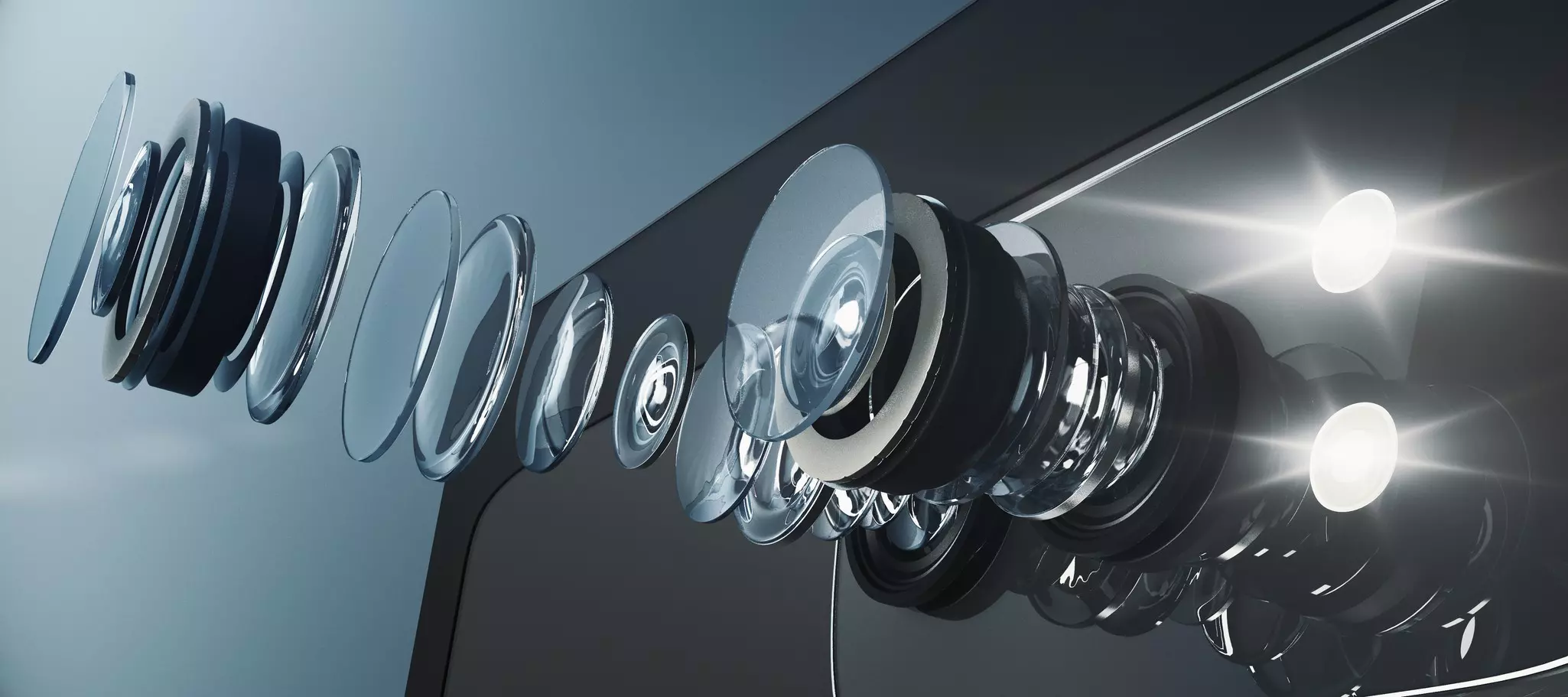
Smartphone users demand DSLR-level performance in a device that fits in their pocket. From image stabilization to periscope zoom, camera modules are expected to execute complex functions in milliseconds – under intense thermal, mechanical and environmental pressure.
But performance isn’t just about optics or electronics. The materials surrounding your voice coil motor (VCM) can quietly undermine image quality, reliability and user satisfaction.
We’ve observed three recurring pain points:
In ball-type VCMs, ceramic balls are suspended when unpowered. With TPU dampers, impacts cause audible noise and release debris, adding unnecessary failure points into a tightly controlled environment. In high-volume production, even minor material defects can result in thousands of units falling short of spec.
Arnitel® Performance is engineered to address these exact challenges. A thermoplastic copolyester elastomer (TPC), it retains its damping properties and structural integrity even under prolonged exposure to temperature extremes and repeated mechanical strain.
In testing:
That kind of difference doesn’t just show up in the lab—it drives real-world improvements in durability, reliability and user satisfaction. For applications like OIS-enabled modules, where consistency across 50,000+ cycles matters, Arnitel® TPC is the difference between a premium experience and a service center visit.
Arnitel® Performance also resists wear. Its superior abrasion resistance prevents the powdering and surface breakdown common with TPU, keeping internal optics cleaner for longer.
Arnitel® Performance’s advantages don’t stop at performance. Its high melt flow index and clean processing profile make it an engineer’s ally in production.
Key benefits:
For OEMs under pressure to launch faster, cut costs and meet yield targets, Arnitel® Performance enables design freedom without the usual trade-offs.
The European Union’s Regulation 2023/1669 highlights where smartphone design is headed: more durable, more repairable and more environmentally sound. Even when not explicitly applied to camera modules, materials matter more than ever.
Arnitel® Performance helps meet these expectations head-on. Its longevity, processing efficiency, and performance track record make it the material of choice for the premium devices of today and tomorrow.
Whether you're developing a high-zoom periscope module or consolidating parts in a space-constrained design, Arnitel® Performance equips your team with confidence, and your customers with performance that lasts.
Get instant answers to your material challenges
Learn more about Arnitel® Performance

Wendy Lu has 13 years of experience in the plastics industry, spanning R&D and commercial roles. She specializes in polyamide compound formulation and electronic applications, such as connectors, consumer electronics, and telecommunications. At Envalior, Wendy serves as the Global Advanced Development Expert in Electronics. She has focused on smart device and server applications, driving innovation through platform management and in-depth technical exploration. Her work helps define unique value propositions and supports the development pipeline for both mid- and long-term opportunities.
What if high-performance robots could be produced at half the cost and weight—without compromising on precision or durability? In this expert talk, di...
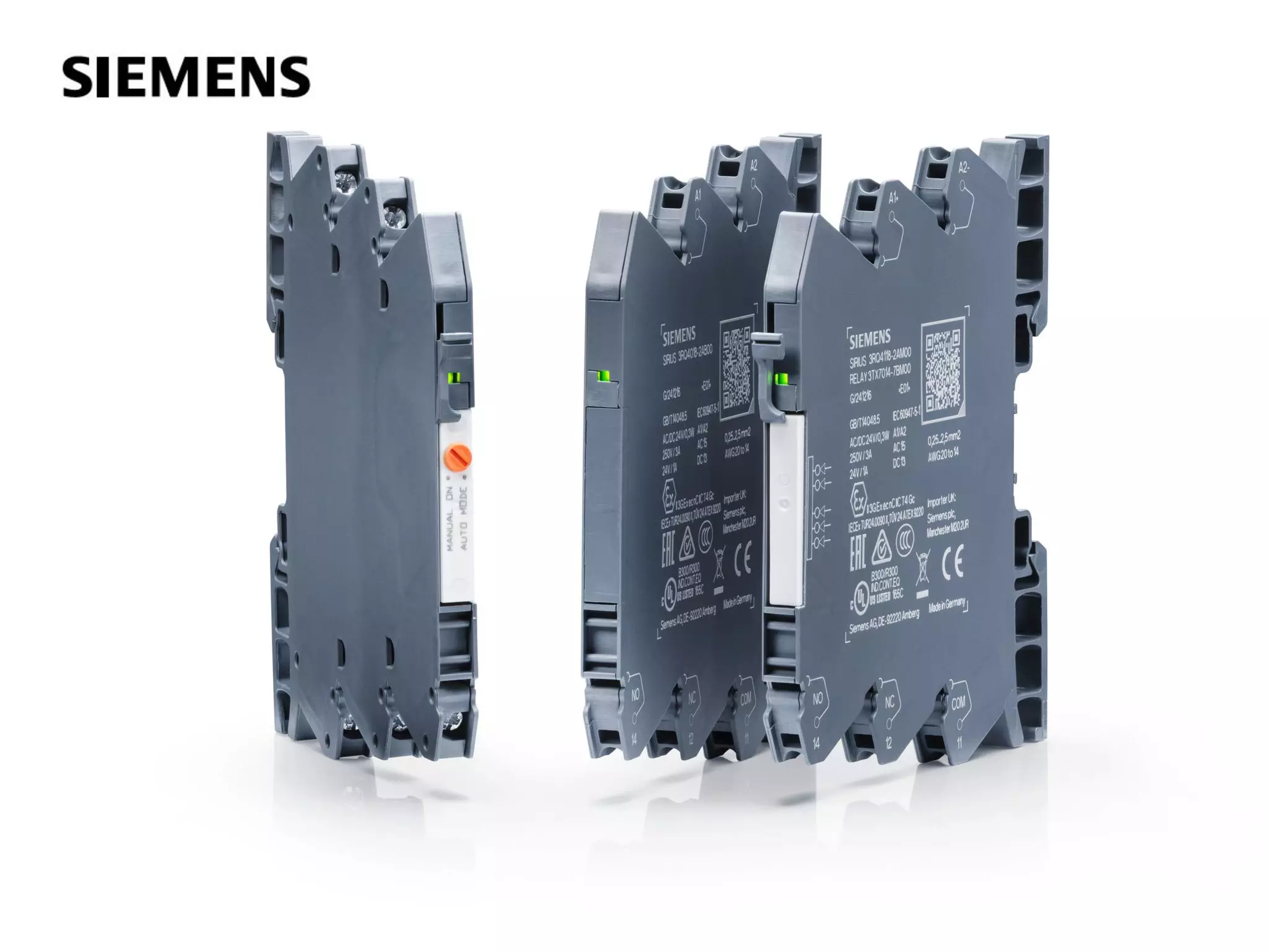
Siemens Smart Infrastructure has launched a new series of coupling relays with housings made from 70% bio-based plastic derived from biomass waste. Th...
Envalior will use the “Fuse Box Meets Dryer – Plastics in E&E Applications” conference organized by the South German Plastics Center (SKZ) to highligh...