

Insights
Ensuring kitchen utensils comply to food contact standards
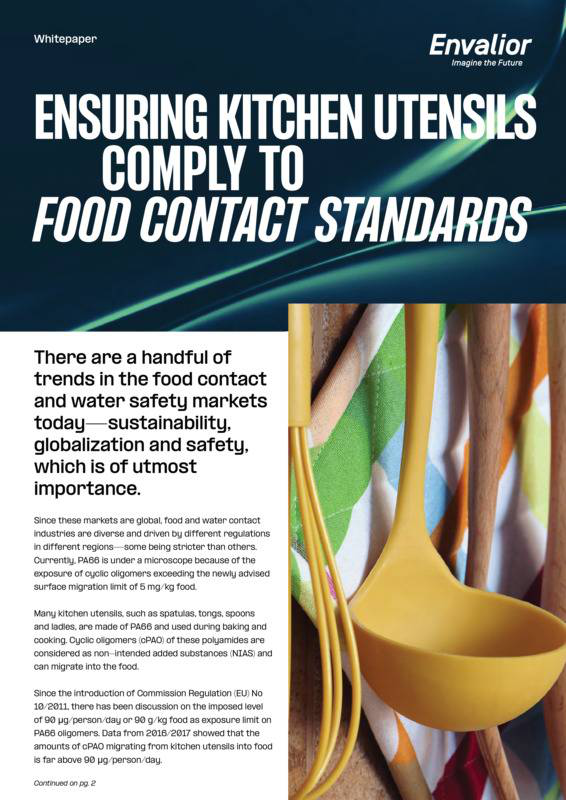
There are a handful of trends in the food contact and water safety markets today—sustainability, globalization and safety, which is of utmost importance. Since these markets are global, food and water contact industries are diverse and driven by different regulations in different regions—some being stricter than others. Currently, PA66 is under a microscope because of the exposure of cyclic oligomers exceeding the newly advised surface migration limit of 5 mg/kg food.
Leveraging safe, high-performance materials for kitchen utensils
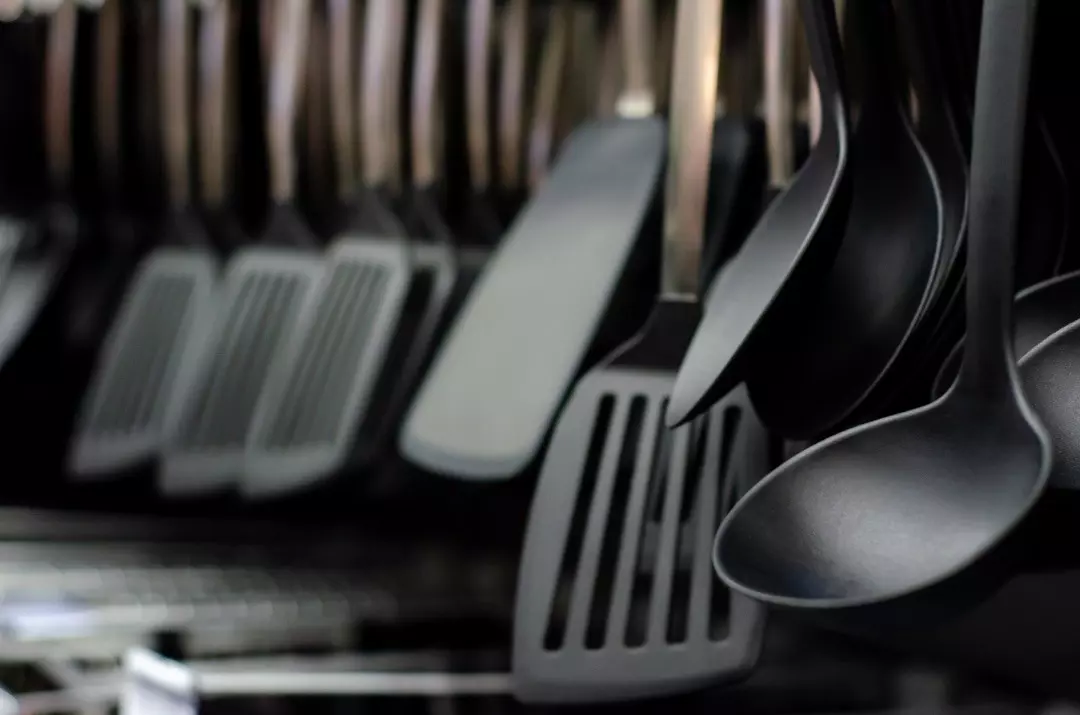
Concerns over plastic kitchen utensils have risen due to health risks from substances like PAA and BPA, now restricted by the FDA and EU. Manufacturers must meet evolving safety standards while ensuring durability, affordability, and sustainability. Modern utensils also need to withstand high temperatures for global cooking styles. Envalior’s materials, such as Stanyl® PA46 and EcoPaXX® PA410, enable safer, greener, and high-performing utensils without retooling or high-temperature molds.
Building a sustainable future for food contact products
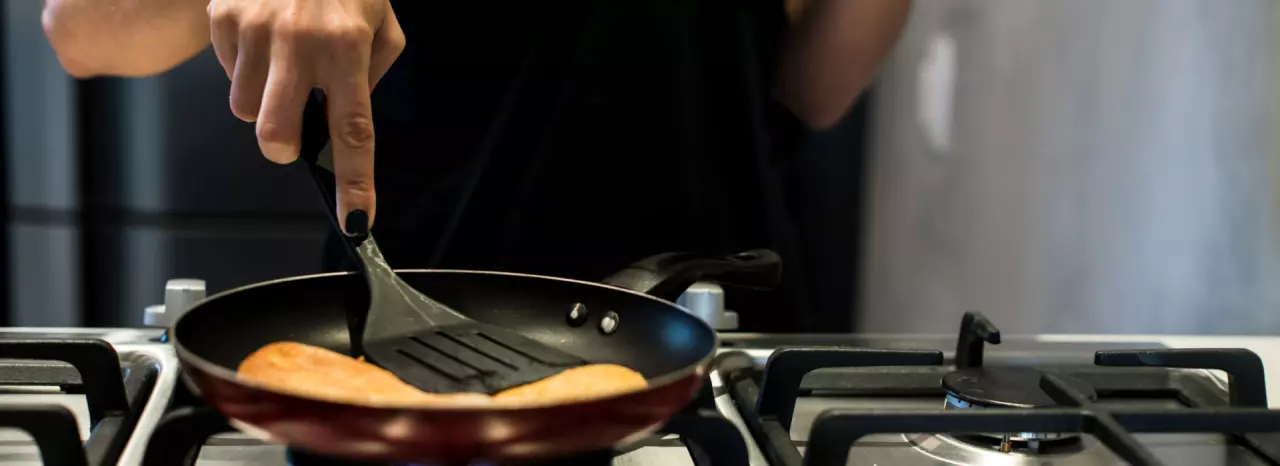
From government investments in net-zero economies to growing consumer spending on sustainable products, food contact parts manufacturers face pressure to adopt a sustainable and circular economy. Timeline pressures, regulation changes and complex global supply chains can increase cost and risk for companies pursuing these new opportunities in the marketplace. There is a quick and simple way for you to de-risk your business.